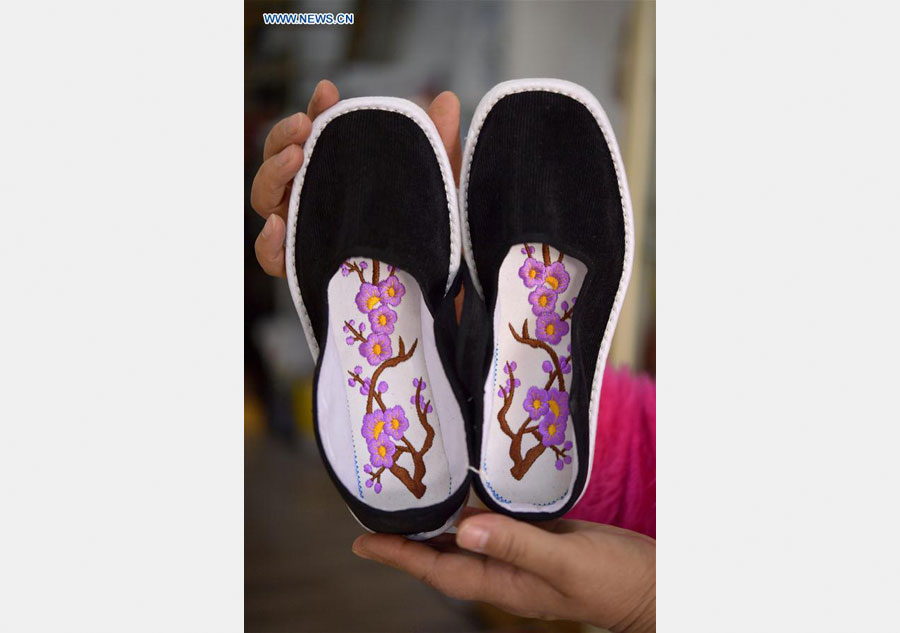
Tujia Embroidered Shoes
Introduction
Tujia embroidered shoes are a traditional form of footwear known for their intricate designs and cultural significance within the Tujia ethnic group. The Tujia people, predominantly found in the mountainous regions of Central and Southwest China, have a rich cultural heritage that is reflected in their embroidery practices. These shoes are not only practical but also serve as a vibrant expression of Tujia identity and artistry. Tujia embroidery, a skill traditionally passed down through generations of women, involves detailed stitching that showcases motifs inspired by nature and daily life. This craft has been recognized as a valuable cultural asset and continues to be celebrated as an integral part of Tujia cultural heritage.
History and Origin
The history of Tujia embroidered shoes is deeply intertwined with the broader tradition of Tujia embroidery, which has been practiced for centuries. Embroidery was once an essential skill for Tujia women, serving both utilitarian and decorative purposes. The origins of Tujia embroidery can be traced back to ancient times when the Tujia people used it to enhance the functionality and aesthetic appeal of their clothing and accessories. Over time, the designs evolved, incorporating elements from local folklore, myths, and the natural environment. These embroidered shoes, specifically, became a symbol of skill and creativity. Traditionally handmade, each pair of shoes was unique, reflecting the individual artistry of the maker. The practice of creating embroidered shoes has been preserved and passed down, ensuring that this cultural tradition remains a vibrant and living art form today.
Cultural Significance
The cultural significance of Tujia embroidered shoes extends beyond their aesthetic beauty. These shoes are emblematic of Tujia identity and cultural heritage, representing a connection to the past and the continuation of traditional crafts. In Tujia society, embroidery serves as a medium for storytelling and expressing cultural beliefs. The motifs featured on the shoes often carry symbolic meanings, such as wishes for prosperity, health, and happiness. Wearing these embroidered shoes during festivals and ceremonies is a way for the Tujia people to celebrate their cultural heritage and showcase their pride. Furthermore, the craft of making these shoes fosters community bonds, as skills and techniques are shared among families and passed down through generations. In this way, Tujia embroidered shoes serve as both a practical footwear choice and a cultural artifact that embodies the values and traditions of the Tujia people.
Design and Patterns
Tujia embroidered shoes are renowned for their intricate designs and vibrant patterns. The embroidery on these shoes typically features a variety of motifs, including flowers, animals, and geometric shapes, each with its own significance. The use of bold colors and detailed stitching techniques creates visually striking footwear that stands out. Common themes in Tujia embroidery include elements from nature, such as birds, butterflies, and plants, reflecting the Tujia people's deep connection to their natural surroundings. Geometric patterns often symbolize harmony and balance, important concepts in Tujia culture. The design of the shoes themselves varies, with styles ranging from simple slip-ons to more elaborate boots. Each pair is a testament to the skill and creativity of the embroiderer, with the patterns and colors chosen to convey personal and cultural narratives. The artistry involved in creating Tujia embroidered shoes makes them not only functional but also a cherished form of cultural expression.
Production Techniques
The production of Tujia embroidered shoes involves a meticulous process that combines traditional craftsmanship with artistic flair. Typically, the process begins with the selection of materials, often natural fibers like cotton or silk, which provide a suitable canvas for embroidery. The embroiderer sketches a design onto the fabric, taking inspiration from traditional motifs or creating original patterns. Using a variety of stitches, such as satin stitch, chain stitch, and cross-stitch, the embroiderer meticulously brings the design to life. Each stitch is carefully placed to ensure precision and detail, with the color palette chosen to enhance the visual impact of the patterns. Once the embroidery is complete, the fabric is cut and sewn into the shape of a shoe, with additional elements like soles and linings added to ensure durability and comfort. This labor-intensive process requires skill and patience, reflecting the dedication of the artisans who continue to preserve this traditional craft.
Regional Variations
Regional variations of Tujia embroidered shoes exist due to the diverse environments and cultural influences within the Tujia communities. While the core elements of Tujia embroidery remain consistent, specific patterns, colors, and styles can differ based on regional preferences. For instance, certain areas may favor floral patterns, while others might emphasize geometric designs. The choice of colors can also vary, with some regions opting for brighter hues and others preferring more subdued tones. Additionally, the shape and style of the shoes may be adapted to suit local needs and customs. These regional differences add to the richness and diversity of Tujia embroidery, showcasing the adaptability and creativity of the artisans. Despite these variations, all Tujia embroidered shoes share a common cultural heritage and serve as a testament to the enduring legacy of Tujia craftsmanship.
Modern Adaptations
In recent years, Tujia embroidered shoes have undergone modern adaptations to appeal to contemporary tastes and markets. Designers and artisans have begun to experiment with new materials and techniques, blending traditional embroidery with modern fashion trends. This has led to the creation of innovative designs that maintain the cultural essence of Tujia embroidery while appealing to a broader audience. Modern adaptations include incorporating embroidered elements into casual footwear styles, such as sneakers and sandals, making them more accessible to younger generations. Additionally, collaborations with fashion designers have brought Tujia embroidery to international runways, raising awareness and appreciation for this traditional craft. These modern adaptations ensure that Tujia embroidered shoes continue to evolve and remain relevant in today's fashion landscape while preserving their cultural significance.
Preservation and Promotion
Efforts to preserve and promote Tujia embroidered shoes are crucial to ensuring the continuation of this cultural heritage. Various initiatives have been undertaken to support artisans and encourage the practice of Tujia embroidery. Workshops and training programs have been established to teach the craft to new generations, ensuring that the skills and techniques are passed down. Cultural festivals and exhibitions provide platforms for artisans to showcase their work and connect with wider audiences. Additionally, collaborations with cultural organizations and government bodies have helped raise awareness of the importance of preserving Tujia embroidery as an intangible cultural heritage. By promoting the cultural and artistic value of Tujia embroidered shoes, these efforts aim to sustain the tradition and inspire a renewed appreciation for this unique form of craftsmanship.








